Best First Aid Kits For Hikers In 2026: 11 Smart Choices For Real Trail Problems
Author:Mike Fakunle
|
Released:September 28, 2025
First aid kits for hikers should match how people hike today, with longer routes, changing weather, and slow rescue times.
A good hiking first aid kit helps with the injuries that actually stop hikes, such as blisters, cuts, and twisted ankles. It also keeps small problems from turning into big ones when the trail is far from help.
Why Best First Aid Kits For Hikers In 2026 Matter More Now
Hiking is simple until something goes wrong. A slip on gravel, a sharp branch, or a hot spot on the heel can change the whole day. Best first aid kits for hikers focus on fast care so hikers can stay calm and make good choices.
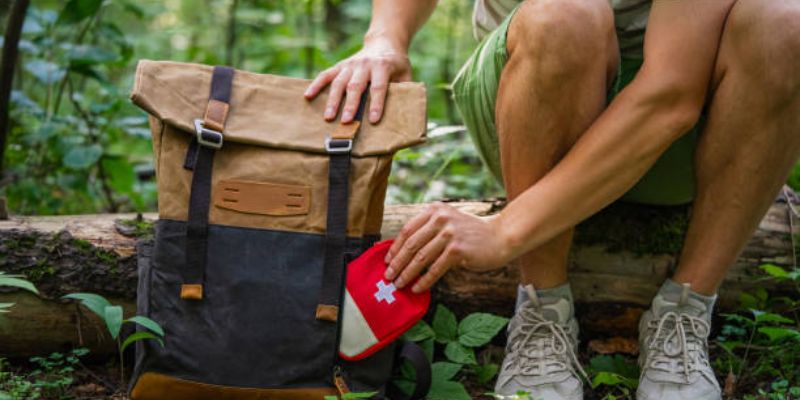
Many trails still have a weak phone signal. Even when a call goes through, help can take a long time. That is why a first aid kit for hiking is not optional on most routes, even easy ones.
Best First Aid Kits For Hikers In 2026 By Hiking Style
For Day Hikes And Short Trails
Day hikers need a lightweight first aid kit that fixes common issues quickly. This type of hiking first aid kit should handle small cuts, minor burns, and early blisters without taking up much space.
Best first aid kits for hikers in this group usually work best when they are compact, simple, and easy to open with one hand.
For Multi-Day Trips And Backpacking
A backpacking first aid kit needs more depth. Longer trips bring more chances for wet feet, sore joints, and wound dirt. This kind of first aid kit for hiking should include more cleaning supplies and stronger wraps.
Best first aid kits for hikers on multi-day routes should also be organized, so the right item is found fast in bad weather.
For Solo Hikers
Solo hikers should plan for self-care. A hiking first aid kit for solo use needs items that are easy to apply alone, even if a hand hurts. A lightweight first aid kit can still work, but it must include strong blister care and a good wrap.
Best first aid kits for hikers who go alone also need clear labels, so there is no guessing under stress.
For Families And Small Groups
Groups need extra supplies. A hiking first aid kit for a family should include more bandages, more wipes, and more blister pads. Kids also fall more often, so wound care runs out fast.
Best first aid kits for hikers in groups should be simple enough that any adult can use them, even without advanced training.
For Ultralight Hikers
Ultralight hikers still need real protection. A lightweight first aid kit can be small, but it must cover the big trail stoppers. Tape, blister pads, and a wrap matter more than rare-use tools.
Best first aid kits for hikers who count grams should be built around the most likely problems, not the most dramatic ones.
What A Hiking First Aid Kit Must Contain In 2026
Wound Care That Handles Dirt And Sweat
Cuts on trails get dirty fast. A hiking first aid kit should include antiseptic wipes, gauze, and bandages in more than one size. A backpacking first aid kit should also include extra gauze for longer trips.
The best first aid kits for hikers should support cleaning and covering a wound in a way that stays on while walking.
Blister Care That Prevents A Limp
Blisters can start as a small hot spot and become a painful open wound. A lightweight first aid kit should include blister pads and strong tape. A first aid kit for hiking should also include a small pair of scissors or tearable tape.
Best first aid kits for hikers always treat foot care as a top priority, not an extra.
Support For Sprains And Sore Joints
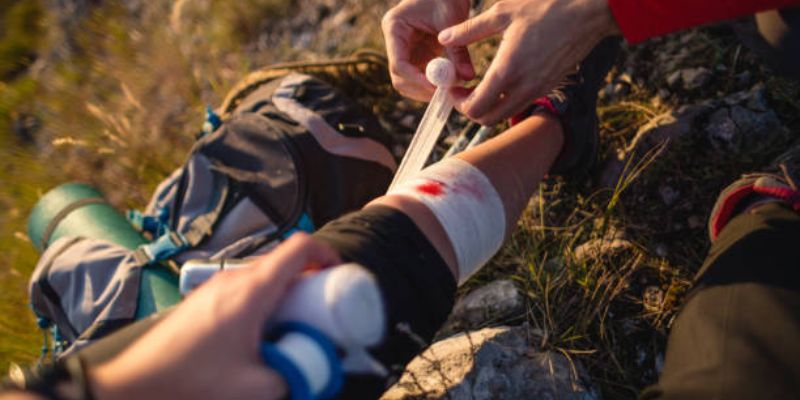
An ankle twist is common on uneven ground. A hiking first aid kit should include an elastic wrap or compression bandage. A backpacking first aid kit may also include a second wrap, since wraps get wet or dirty.
The best first aid kits for hikers should make it possible to stabilize a joint enough to walk out safely.
Medications That Match Trail Needs
Pain relief, allergy support, and stomach relief are the usual needs. A first aid kit for hiking should keep medications in sealed packets with clear labels. A hiking first aid kit should also consider personal needs, such as inhalers or prescribed tablets.
The best first aid kits for hikers should store meds in a dry place inside the kit so they stay usable.
Small Tools That Solve Real Problems
Tweezers can remove splinters and ticks. Gloves help keep wounds cleaner. A lightweight first aid kit can include these without much weight. Many hikers also follow simple steps from basic first aid steps to keep care safe and clear.
The best first aid kits for hikers are not just supplies. They are also a way to stay organized when hands are shaking.
How To Choose The Right Size First Aid Kit For Hiking
A short hike close to town can use a smaller hiking first aid kit. A long hike far from roads needs more supplies and better wraps. Terrain matters too. Rocky routes raise the chance of cuts and ankle twists.
The weather also changes kit needs. In wet areas, wound care supplies are used more. In hot areas, blisters and dehydration problems show up more. Best first aid kits for hikers in 2026 match the trail, not the trend.
Weight, Packability, And Access On The Trail
A lightweight first aid kit is useful only if it is easy to reach. If it is buried under food and clothes, it will not get used fast enough. A hiking first aid kit should be packed near the top or in an outer pocket.
Durable cases matter in trials. A backpacking first aid kit should resist rain and crushing. Many hikers also follow common safety rules found on park safety pages and keep emergency gear where it can be grabbed quickly.
Mistakes People Make When Buying the Best First Aid Kits For Hikers
One mistake is buying a kit made for cars. These kits often have too many tiny bandages and not enough blister care. A first aid kit for hiking needs stronger tape, better wraps, and more cleaning supplies.
Another mistake is never refilling. Even the best first aid kits for hikers become weak after one trip if the used items are not replaced. Also, tools are not helpful if nobody knows what they do. A hiking first aid kit works best when the basics are practiced.
Keeping A Hiking First Aid Kit Updated All Year
Check supplies before big hikes, and after any time the kit gets opened. Replace used wipes, tape, and bandages right away. A backpacking first aid kit should also be checked for wet items, because moisture ruins packaging.
Season changes matter. Summer trips may need more blister pads and allergy support. Cold trips may need extra warmth protection and more gauze. Best first aid kits for hikers stay ready because they get maintained, not because they are expensive.
Best First Aid Kits For Hikers In 2026 By Budget
Budget Kits That Still Cover The Essentials
A budget hiking first aid kit should still handle cuts, blisters, and ankle support. It may have fewer extras, but it should not skip tape, wipes, or a wrap. A lightweight first aid kit in this range works well for simple routes.
The best first aid kits for hikers do not need fancy tools if the basics are strong and restocked.
Mid-Range Kits With Better Organization
Mid-range kits often have better compartments and higher-quality wraps. A backpacking first aid kit in this range is a good fit for regular hikers who go out often. It also helps groups because supplies are easier to find.
A first aid kit for hiking is easier to use when items are sorted and clearly labeled.
Premium Kits For Remote Trails
Premium kits often include stronger bandages, better tools, and more complete wound care. Some hikers choose these for remote trips where walking out may take hours. Many choices also align with public health ideas found in health guidance about infection prevention and clean wound care.
Best first aid kits for hikers in remote areas should focus on staying clean, staying warm, and staying stable.
Best First Aid Kits For Hikers In 2026: Picking The One You Will Actually Carry
The best first aid kits for hikers in 2026 are the ones that match the hike and get packed every time. A hiking first aid kit should protect feet, clean wounds, and support joints. A backpacking first aid kit should add depth for longer trips. A lightweight first aid kit should still cover the most likely problems.
Sources
Related Posts
Outdoor Gear
The Best Headlamps for Brightness, Comfort, and Battery Life
Guides and Tips
Best Hiking Shoes for Comfort, Grip, and All-Day Support

Guides and Tips
Hiking Poles Guide: When Do You Actually Need Hiking Poles
Guides and Tips
Essential Survival Gear Every Hiker Should Carry To Stay Safe Anywhere

Activities
How To Protect Yourself From Insects On Trails And Avoid Painful Bites
Guides and Tips